
Stop, Look, and Listen #60
A round-up of what I have been reading and listening to this past week.

Please support my work by becoming a free or a paid subscriber to the newsletter. Paid subscribers are vital to me being able to continue producing and expanding this newsletter.
You can also support my work by making a one-off payment, at a price you consider affordable.
This post is part of the newsletter’s ‘Stop, Look, and Listen’ series, a digest of articles and podcasts that I’ve found engaging and insightful over the past week.
Five things to look at
For her Sapienta Cyprus Reflections newsletter, Fiona Mullen considered the incentives that might win Greek and Turkish Cypriots over to a solution to the Cyprus Problem, arguing the former could be persuaded by a deal that enhances the island’s geopolitical importance, and the latter by a promise of no return to the status quo.
Loic Gapin wrote for African Arguments about the constraints the CFA Franc places on West African states’ sovereignty, the reasons as to why key decisionmakers in those countries have nonetheless retained that currency, the incentives behind France’s limited reforms to it, and the need for an open and honest debate about the issue.
In this article for Dissent, Joshua Nadel and Brenda Elsey explored the fractious response in Argentina to Lionel Messi and his Inter Miami teammates’ visit to the White House last year, and what it says about both his status as working-class hero in his home country, and the wider political divides in Argentinian football and society.
Abdullahi Halakhe has reflected for his The Horn and the Gulf Newsletter on both the shift of African men’s national football sides towards appointing African rather than European coaches, and of the growing presence of diasporic players in those same African national teams, rather than those of the European states they were born in.
For his DigressionsImpressions newsletter, Eric Schliesser revisited J.G.A. Pocock’s earlier problematisation of John Locke’s reputation as a key liberal thinker, given his marginality to late 17th-century Britain’s Whig ideological order, but also the absence from Pocock’s assessment of Locke’s legacy as a reputed advocate of mercantilism.
Five things to listen to
Lilly Goren interviewed Anna O. Law on the New Books in Political Science podcast about her book Migration and the Origins of American Citizenship: African Americans, Native Americans, and Immigrants, and on the way histories of enslavement and of indigenous dispossession shaped the evolution of legal categories of US citizenship.
On the New Yorker’s Critics at Large podcast, Vinson Cunningham, Naomi Fry, and Alexandra Schwartz assessed Steven Spielberg’s role as progenitor of the modern blockbuster, his ability to make artistic statements within genre boundaries, and the way his new film Disclosure Day revisits many recurring themes from his earlier work.
G. John Ikenberry and Peter Trubowitz joined host Chris Gilson on the LSE’s The Ballpark podcast to discuss their edited collection, Rethinking the 1990s: Liberal World Order-Building in the Aftermath of the Cold War, and why the decade’s liberal hegemony dissipated amid disgruntlement domestically in the West and among excluded states.
Hosts Jessica DiCarlo and Seth Schindler welcomed Trissia Wijaya onto the Second Cold War Observatory podcast to explain how Indonesia’s development strategies have shaped its negotiation of Japanese and Chinese actors’ different approaches to investment in the country, as well as its military relationship with the US.
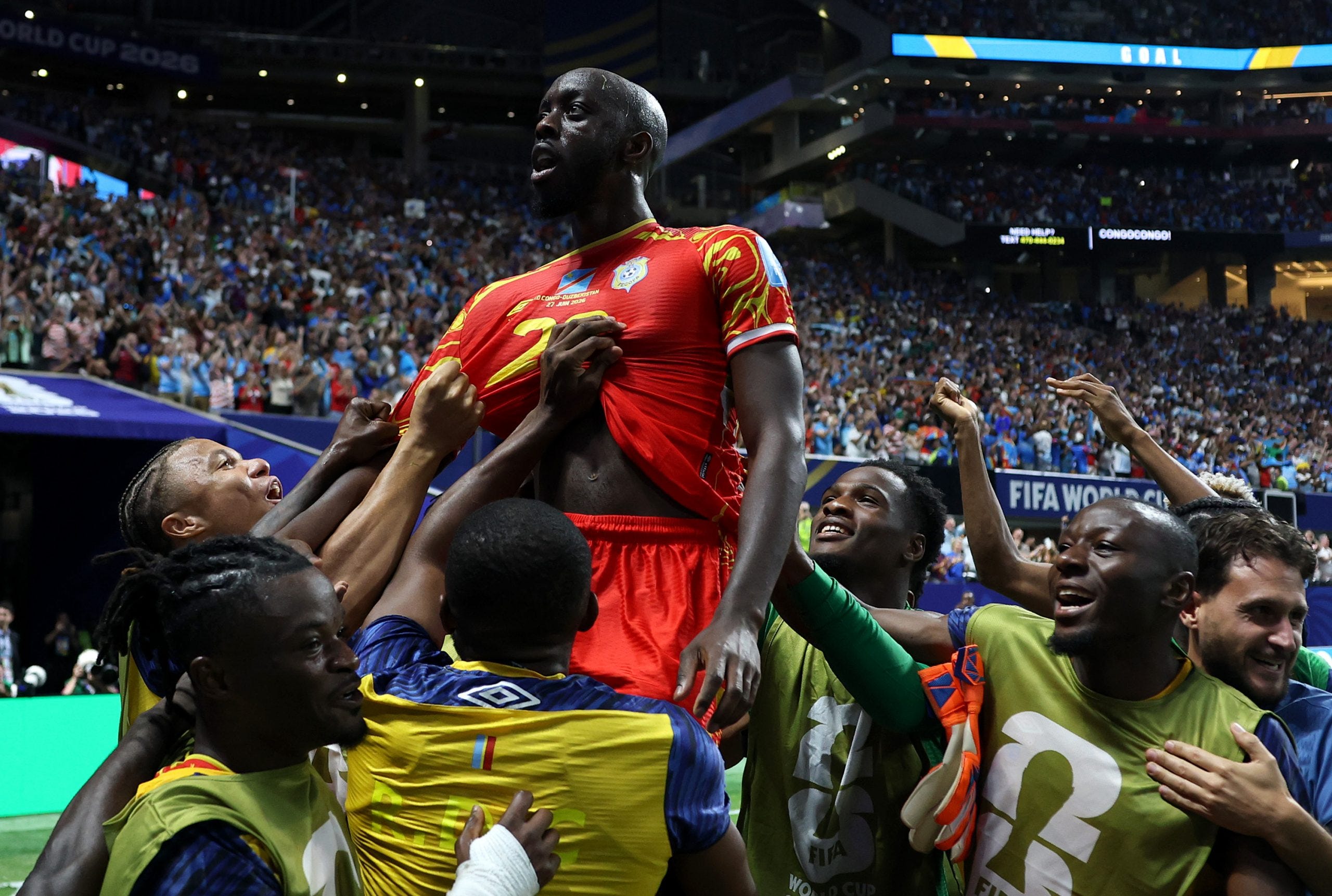
On the Libero podcast, Rory Smith, James Horncastle, and Jack Pitt-Brooke reflected on the way the US’s diverse urban geography drastically shapes the experience of the World Cup there, and on how the tournament’s new 48-team format showcases the international game’s widening calibre, but also suffers for unwieldy qualification rules.
If you’ve enjoyed this post, please consider supporting my work by becoming a free or a paid subscriber to the newsletter. Paid subscribers are vital to me being able to continue producing and expanding this newsletter.
You can also support my work by making a one-off payment, at a price you consider affordable.
Otherwise, please show your appreciation by sharing this post more widely, and referring the newsletter to friends.
You might also enjoy these posts from the Academic Bubble archive:
Do You Understand Where I’m Coming from?

Making sense of the way I do history necessarily involves shifting my gaze two thousand miles away from Britain to the small Mediterranean island where my grandparents were born.
The Sun Shines Bright (1953)

John Ford’s second Judge Priest film ruminates on the racial and gender order of postbellum Kentucky, and the place of law and justice within it.
‘This Is Going to Be Part of Soccer History’

American Samoa’s 2-1 win over Tonga in 2011 ended a lengthy losing streak and was portrayed by international media as completing a redemption arc from their 31-0 loss to Australia a decade earlier.