Stop, Look, and Listen #30
A round-up of what I have been reading and listening to this past week.

Please support my work by becoming a free or a paid subscriber to the newsletter. Paid subscribers can access my full archive of posts at any time, and are vital to me being able to continue producing and expanding this newsletter.
This post is part of the newsletter’s ‘Stop, Look, and Listen’ series, a digest of articles and podcasts that I’ve found engaging and insightful over the past week.
Content warning: Genocide and ethnic cleansing; Animal cruelty; Murder.
Five things to look at:
Eric Schliesser (nescio13) has written this piece for his DigressionsImpressions newsletter about the right-wing realist conception of how to govern in the interests of an affluent working class, found in the work of James Burnham and Samuel Francis and in the worldview of the contemporary American right.
In this article for New Lines Magazine, Shachar Pinsker writes about the bodies of poetry written in Yiddish by Holocaust survivor Avrom Sutzkever and in Arabic by Mahmoud Darwish, displaced during the Nakba, and the interconnected themes of memory and exile present in their work.
Pranay Somayajula has written for his culture shock newsletter about the place of political essay-writing in a literary tradition that prioritises individual subjectivity and subtlety as an aesthetic style in order to obscure the structural and political, and how this impedes the political possibilities of writing.
Writing for the Age of Revolutions blog, Peter W. Walker highlights the dangers of teleology in distorting our understanding of Ancien Régime France, the French Revolution, and the inevitability of the former giving way to the latter, using a teaching experiment centred on the ‘Great Cat Massacre’ of 1730.
Susie Banks writes for the History Workshop Journal blog about the place of mass shooting events in recent American history, the subcultural symbolic politics they embody, and how the failed attack last month by Thomas Matthew Crooks on a Donald Trump rally served to elevate the reputation of Trump rather than Crooks.
Five things to listen to:
For a joint-episode of the Unsettled and On the Nose podcasts, Ilana Levinson interviews Tareq Baconi about the recent assassination of Hamas’s political leader Ismail Haniyeh in Iran, Israel’s motivations for doing so amid ostensible ceasefire negotiations, and the likely implications of his death for the conflict.
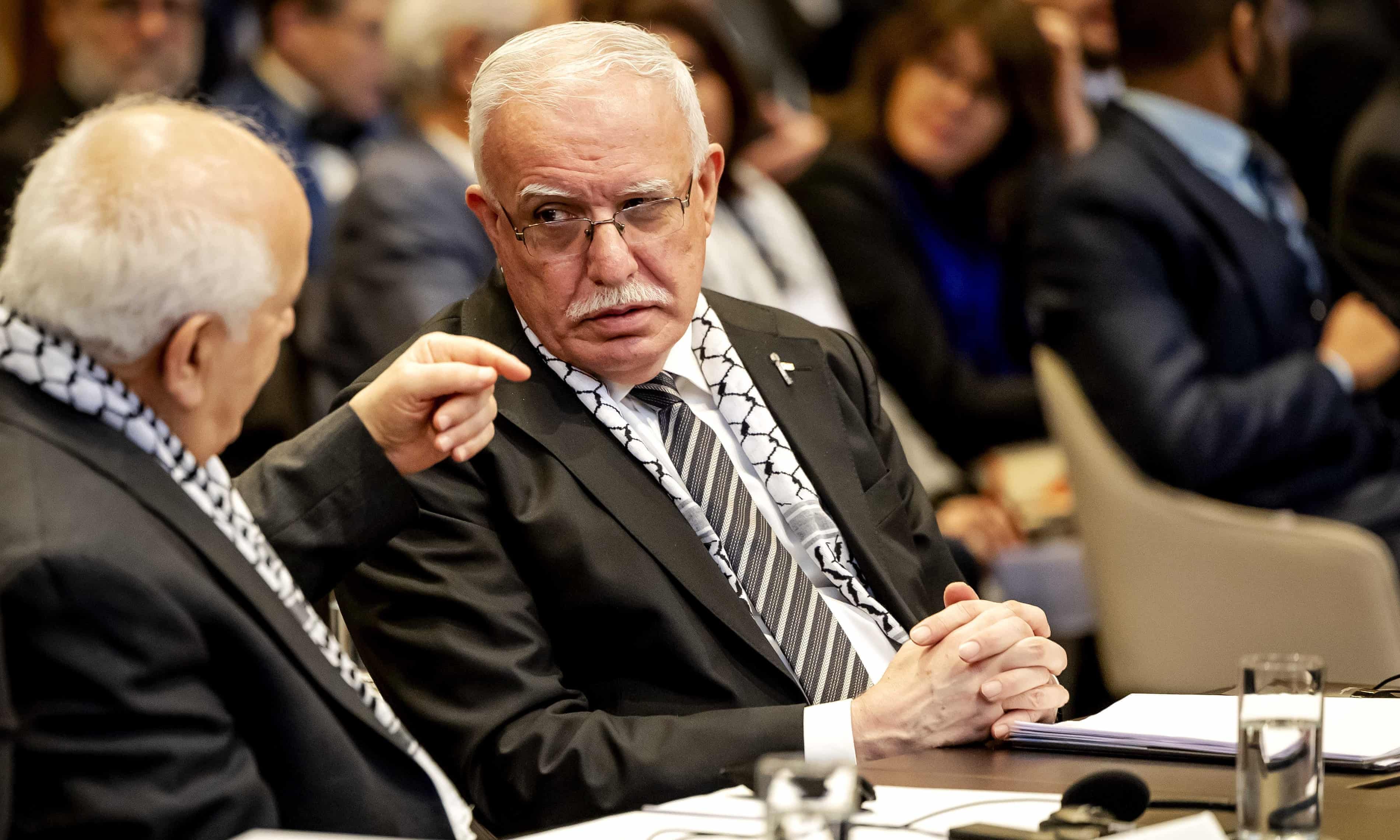
On the Called to the Bar podcast, Tamsin Paige chairs a discussion with Douglas Guilfoyle, Juliette MacIntyre, Imogen Saunders, and Ntina Tzouvala about the International Court of Justice’s advisory opinion on Israel’s occupation of Palestine, and on the question as to if its practices there constitute apartheid.
On this episode of the Know Your Enemy podcast, Matthew Sitman and Sam Adler-Bell examine Republican US vice-presidential candidate J.D. Vance through the prism of his 2016 memoir Hillbilly Elegy, and the role of traumatic childhood events in the development of his fluid, right-wing politics.
Daniel Moran and Mike Takla reflect on 2001 film Training Day on the Fifteen Minute Film Fanatics podcast, the moral dilemmas raised by corrupt veteran police detective Alonzo Harris’s interactions with rookie Jake Hoyt in its first half, and whether the film successfully explores them further in its second half.
On the New Books Network podcast’s ‘Genocide Studies’ channel, Kelly McFall interviews Andrew R. Basso about his book Destroy Them Gradually: Displacement as Atrocity, the objectives and dynamics that make certain displacement events genocidal, and the risk of climate change making such atrocities more likely.
If you’ve enjoyed this post, you can also show your appreciation by sharing it more widely, recommending the newsletter to a friend, and if you’d like, by buying me a coffee.

