Stop, Look, and Listen #25
A round-up of what I have been reading and listening to this past week.

Please support my work by becoming a free or a paid subscriber to the newsletter. Paid subscribers can access my full archive of posts at any time, and are vital to me being able to continue producing and expanding this newsletter.
This post is part of the newsletter’s ‘Stop, Look, and Listen’ series, a digest of articles and podcasts that I’ve found engaging and insightful over the past week.
Content warning: Genocide; Narcotics and addiction; Violence.
The past week’s recommended podcasts and articles, grouped thematically, on the topics of:
National political communities.
Representing capitalism.
Interpreting and mediating violence.
Queer identities and politics.
National political communities
Writing in the wake of the worryingly strong showing of nationalist parties in the European parliamentary elections, Cyril Hédoin draws on the work of Pierre Manent to argue for a more positive re-conceptualisation of the nation, not as an identity, but as the basis of political community.
Davide Angelucci, Luca Carrieri, and Nicolò Conti also reflect upon the results of those elections in their post for the London School of Economics’ EUROPP European Politics and Policy blog, highlighting the growing salience of questions of sovereignty across the political spectrum.
On BBC World Service’s Assignment programme, host Tim Whewell explores the validity and viability of rising demands to decolonise Russia, and the implications of recognising the role the subjugation and even elimination of minorities played in the construction of a Russian polity.
Vladislav Lilic interviews Lydia Walker on New Books Network about her new book States-in-Waiting: A Counter Narrative of Global Decolonization, on the histories of groups within new postcolonial states, such as the Naga in India, and their quests for self-determination and sovereignty.
Greg Soden interviews Chauncey Handy on the Classical Ideas Podcast about his research into the construction of an Israelite ethnicity in the Book of Deuteronomy, and the value of drawing upon Mestizo poetics to understand its hybridity and the meanings Deuteronomy can hold today.
In this episode of the Past Present Future podcast series on ‘Political Fictions’, David Runciman discusses Salman Rushdie’s 1981 novel Midnight’s Children, and its magical realist imagining of the Indian body politic in the wake of decolonisation and partition.
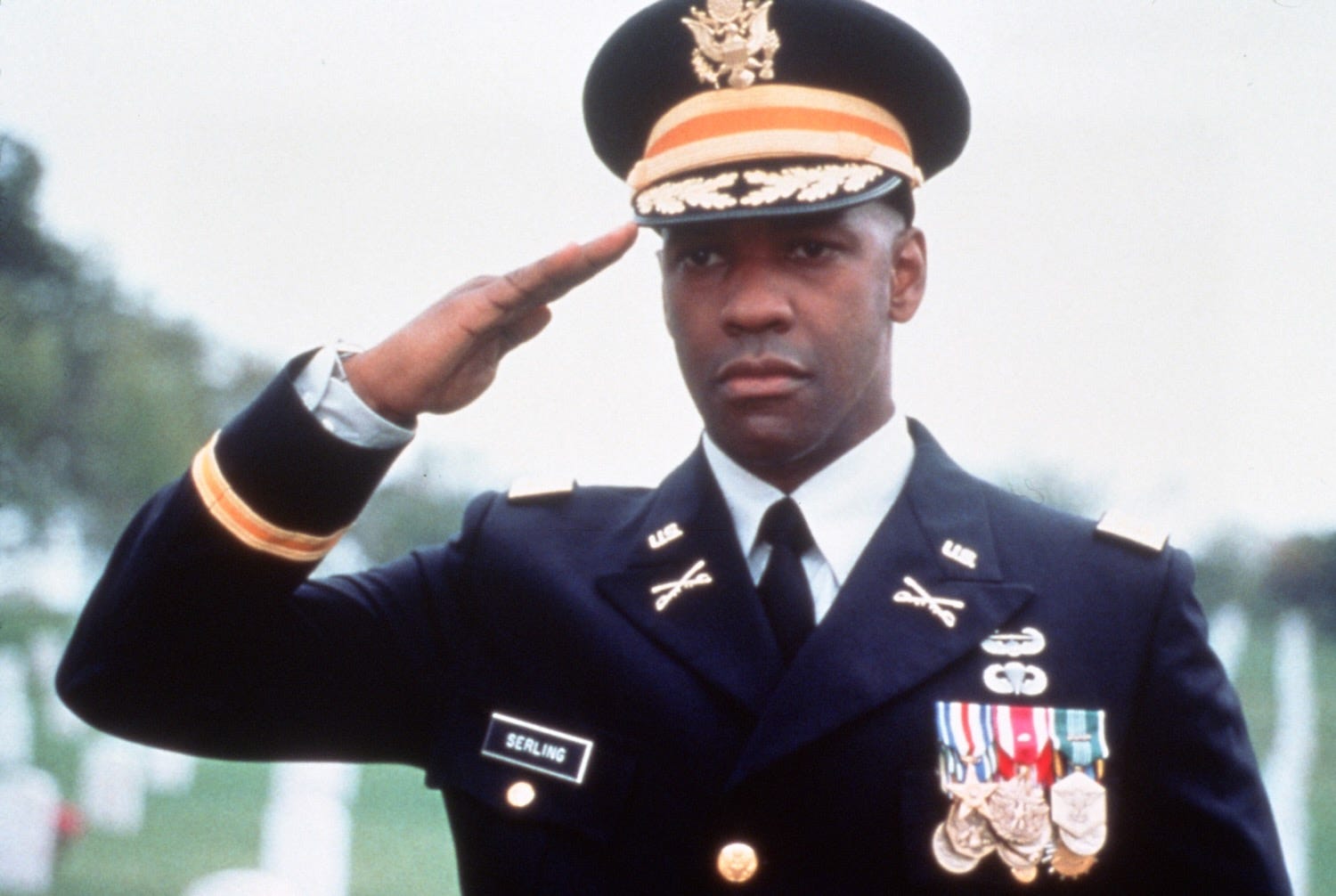
Jamelle Bouie and John Ganz revisit the 1996 military drama Courage Under Fire on the Unclear and Present Danger podcast, and its relatively conservative vision of the United States Army as a meritocratic, patriotic institution, contrasting this with the far more exclusionary nationalism of the contemporary American right.
Representing capitalism
In these posts for his DigressionsImpressions newsletter, ‘On the Market as Daily Plebiscite’ and ‘On Liberal Democracy as Identity Formation’, Eric Schliesser (nescio13) considers older conceptualisations of the market as a kind of democracy, and the more positive attitudes of earlier advocates of free markets to the ideal of democracy that it revealed.
Hannah Forsyth discusses her book, Virtue Capitalists: The Rise and Fall of the Professional Class in the Anglophone World, 1870–2008, with Morteza Hajizadeh on the New Books Network podcast, explaining how different occupational groups deployed ideals of virtue to legitimise their economic activities.
On the Journal of the History of Ideas’ In Theory podcast, Disha Karnad Jani interviews Tehila Sasson about her book The Solidarity Economy: Nonprofits and the Making of Neoliberalism after Empire, and the influence of nongovernmental organisations’ efforts to pioneer a form of ethnic capitalism in postcolonial contexts on the broader development of neoliberal economic programmes.
David Runciman discusses Ayn Rand’s 1957 novel Atlas Shrugged, in this episode of the Past Present Future podcast’s ‘Political Fictions’ series, exploring Rand’s moralistic celebration of capitalism and denunciation of forms of dependency on the state, and why it has proven so popular among the current generation of Silicon Valley entrepreneurs.
Scott Tobias writes about late 1980s Hollywood’s exploration of cocaine addiction, in this article for The Reveal, and the ways in which films like Less Than Zero, Bright Lights, Big City, and Clean and Sober used it as a metaphor for the darker side of untrammelled free-market capitalism.
Interpreting and mediating violence
William Paris explores Frantz Fanon’s ideas about the dialectic of violence with Gil Morejón , Lillian Cicerchia, and Owen Glyn-Williams, on the What’s Left of Philosophy podcast, and his characterisation – amid the Algerian War of Independence – as violence as both a necessary component of decolonisation and as irrevocably traumatic for its perpetrators as well as victims.
Kim Wagner writes for New Lines Magazine about a photograph of the aftermath of the 1906 Bud Dajo massacre of Moros by American forces in the Philippines, and what it can tell us about the role of atrocity photography in upholding white supremacist violence but also contesting it.
In this article for The Baffler, Mary Turfah writes about the spectacular callousness of photographs and videos taken by members of the Israel Defence Forces in Gaza, as paradigmatic of Zionism’s obliviousness to Palestinian suffering and Israeli culpability for it as an essential legitimising component of its colonial project.
On The Sobremesa Podcast, Alan McGuire interviews Heidi Backes about her book Spectral Spain: Haunted Houses, Silent Spaces and Traumatic Memories in Post-Franco Gothic Fiction, and the way in which different Spanish authors of Gothic fiction have used the genre as a means for exploring the legacy of violence during and after the Civil War, and subsequent suppression of those memories after the transition to democracy.
Queer identities and politics
Slate’s Slow Burn podcast series ‘Gays Against Briggs’, presented by Christina Cauterucci, tells the story of gay rights activists’ resistance to state senator John Briggs’ proposal to ban openly gay teachers from California’s public schools in the late 1970s. Episode 4 examines how closeted Californians used the act of coming out to attain publicity and sympathy for their cause, while Episode 5 focuses on how both pro- and anti-gay rights activists sought to win the crucial support of California’s conservative former governor, Ronald Reagan.
On the Know Your Enemy podcast, Sam Adler-Bell and Matthew Sitman talk to Neil J. Young about his book Coming Out Republican: A History of the Gay Right, gay conservatives’ use in the 1970s of libertarian arguments to argue against federal policing of sexuality, and the subsequent closure of that political space from the 1980s and separation of gay Republicans from the rest of the LGBTQ+ movement.
Vaughn Joy writes for her Review Roulette newsletter about the 1994 Australian comedy The Adventures of Priscilla, Queen of the Desert, and the way it both visually naturalises queer identities, and deliberately subverts typically tragic and pathologising generic tropes in cinematic representation of queer life.
If you’ve enjoyed this post, you can also show your appreciation by sharing it more widely, recommending the newsletter to a friend, and if you’d like, by buying me a coffee.

